the Process

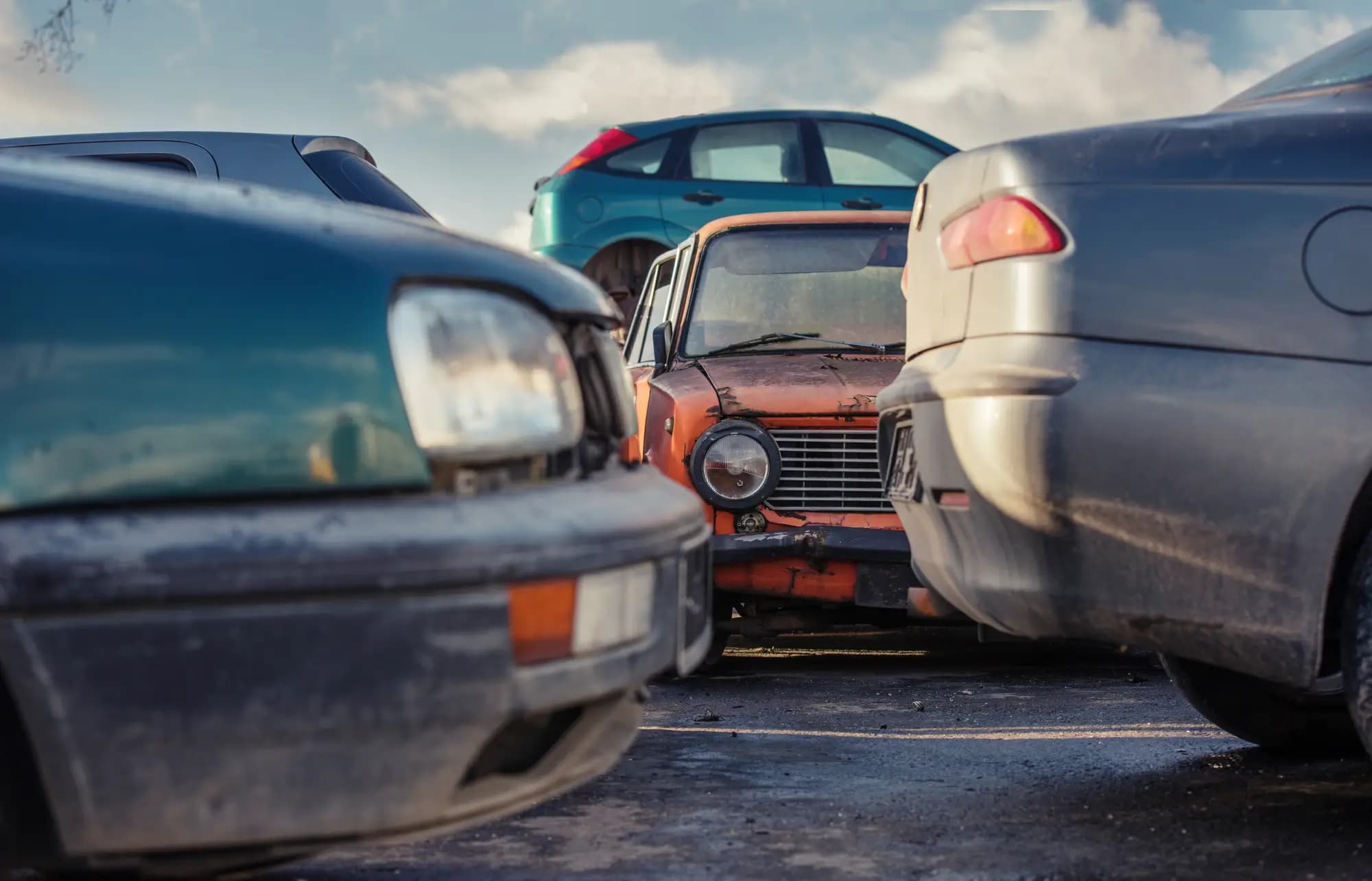
Scrapping a car might sound complicated, but the actual process is refreshingly straightforward when you work with a professional service. From your first enquiry to receiving payment and saying goodbye to your old vehicle, everything typically happens within 24 to 48 hours. Understanding what happens at each stage helps remove any uncertainty and lets you prepare the few simple things you'll need. Whether your car still runs or has been sitting idle for months, the steps remain largely the same. Here's exactly how scrapping your vehicle works from start to finish.

Getting Your Quote

The process begins when you contact a scrapyard or collection service with basic details about your vehicle. You'll need the registration number, make and model, and a honest description of its condition. This information determines the scrap value based on current metal prices and the weight of your particular vehicle.

Most services provide quotes over the phone or through an online form within minutes. The price reflects several factors: the vehicle's weight, current scrap metal rates, your location, and whether any parts have salvage value. Quotes typically remain valid for a few days, giving you time to consider your options without pressure.

Arranging Collection

Once you accept a quote, you'll book a collection slot that suits your schedule. Reputable companies collect from anywhere in the UK, whether that's your home, workplace, or roadside if the vehicle has broken down. Same-day collection often proves possible, though next-day appointments give you more flexibility.

You'll receive a specific time window, usually spanning two to three hours. The collection driver contacts you shortly before arrival so you're not left waiting around. If your car doesn't run, that's rarely a problem. Recovery equipment handles non-runners, vehicles with seized engines, or cars missing wheels.

What You'll Need Ready

Before collection, gather your V5C logbook (the registration document). You'll need to sign Section 9 if you're scrapping the vehicle, or Section 4 if it's being sold as salvage. Keep the yellow slip from the V5C for your records.

Remove all personal belongings from the vehicle. Check the glove box, door pockets, boot, and under seats. Personal items left behind typically cannot be retrieved once the vehicle reaches the scrapyard. Remove any tax disc holders or personal modifications you want to keep.

If you've lost your V5C, you can still scrap the car. The collection service will provide alternative paperwork, though you should inform the DVLA separately using their online service or by letter. Having valid photo ID helps verify ownership in these situations.

The Collection Visit

When the recovery vehicle arrives, the driver inspects the car briefly and confirms it matches the description you provided. They'll ask you to sign a Certificate of Destruction, a legal document proving the vehicle has been transferred for authorised treatment.

This certificate protects you from any future liability. It includes the vehicle details, your information, and the authorised treatment facility where it's heading. Keep this document safe. It's your proof that you no longer own or are responsible for the vehicle.

The driver handles the V5C paperwork and typically processes the DVLA notification on your behalf. This tells the DVLA you're no longer the registered keeper. Within a few weeks, you should receive confirmation from the DVLA acknowledging this change.

Payment

Payment methods vary between companies, but bank transfer on the day of collection has become standard practice. Some services still offer cash payment to the driver, while others process payments within 24 hours of collection.

The amount matches your agreed quote unless the vehicle's condition differed significantly from what you described. Being honest upfront about damage, missing parts, or mechanical issues prevents any surprises.

After Collection

Once collected, your vehicle heads to an Authorised Treatment Facility licensed by the Environment Agency. These facilities drain all fluids, remove hazardous materials, and extract reusable parts before crushing the shell for metal recycling.

The DVLA typically updates their records within four weeks. You might receive a letter confirming you're no longer the registered keeper. If any post arrives about the vehicle after this point, contact the sender with your Certificate of Destruction details.

Any remaining road tax gets automatically refunded by the DVLA to the address on their system. This refund arrives separately and isn't connected to your scrap payment. Cancel any insurance and direct debit arrangements yourself, as these don't stop automatically.

Get Your Free Quote

For a no obligation quote, complete the form or call

0800 002 9733 or 07766 797 352

GB